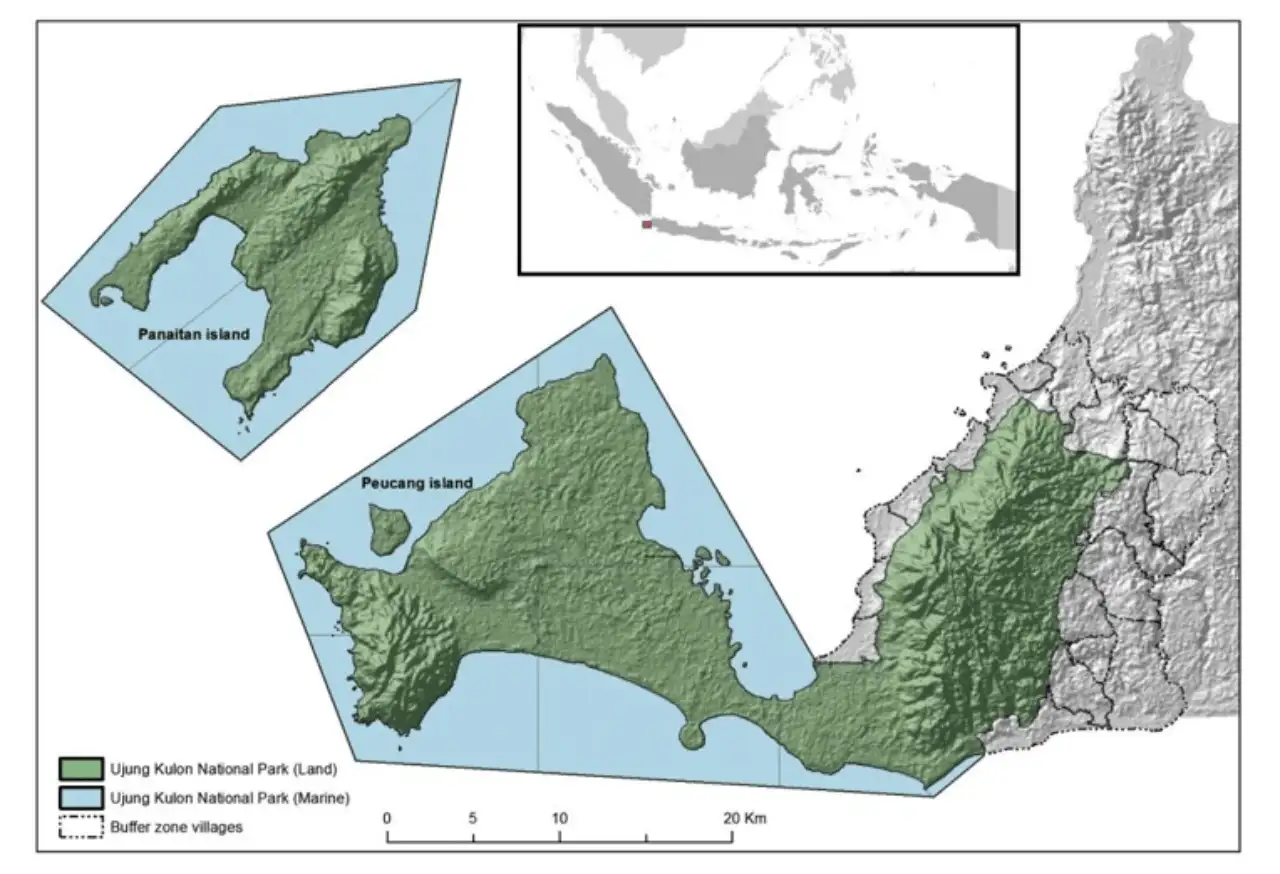
Ujung Kulon is one of the oldest national park in Indonesia. This national park located in the southwest of Java, and is part of the district of Pandeglang. To the east of the National Park of Gunung Honje ridge runs north-south, which rises up to 620 m. At the southern end joins a peninsula to the west.
Located on the southwestern tip of Java in Indonesia’s Banten Province, Ujung Kulon National Park is one of Southeast Asia’s most important protected areas. The park is internationally recognized for its exceptional biodiversity, tropical landscapes, geological heritage, and, above all, its role as the last important natural habitat of the Javan rhinoceros (Rhinoceros sondaicus).
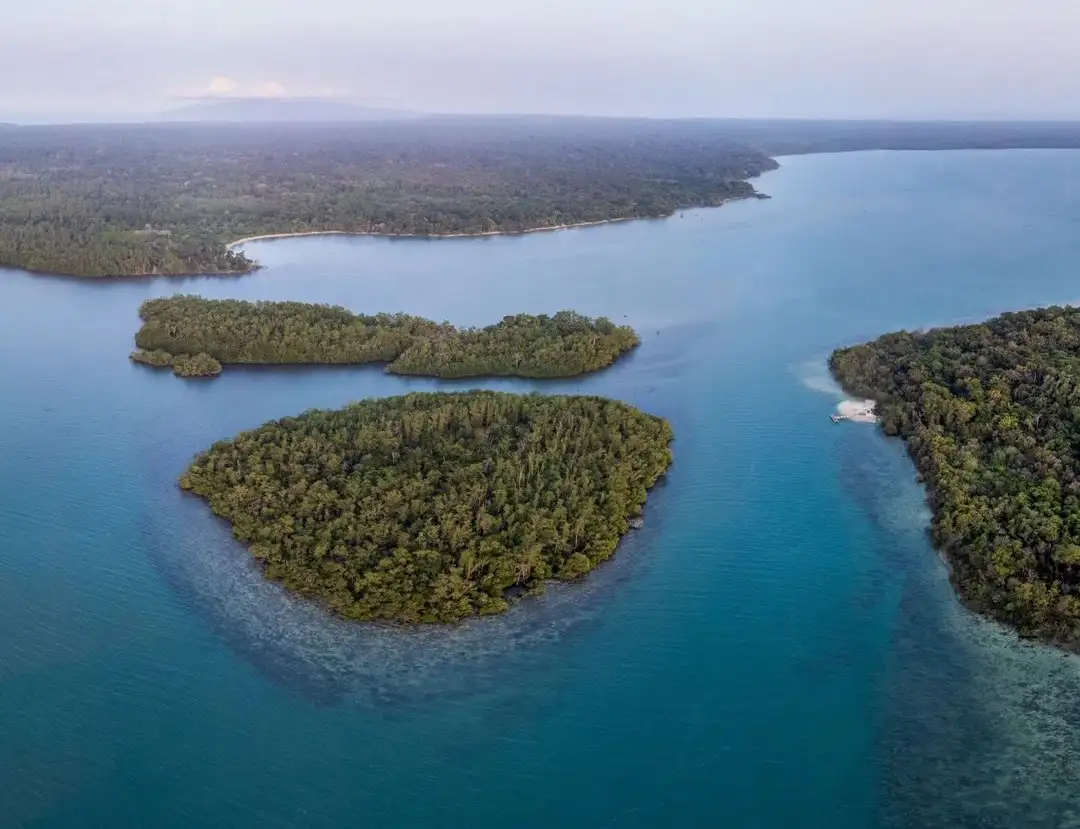
Designated a UNESCO World Heritage Site in 1991, Ujung Kulon contains one of the largest remaining areas of lowland rainforest on Java. Its landscape encompasses forests, beaches, mangroves, grasslands, offshore islands, coral reefs, and marine ecosystems.
UNESCO identifies the park as globally significant because of its biodiversity and its importance to the survival of the critically endangered Javan rhinoceros. For visitors, Ujung Kulon offers opportunities to experience relatively intact tropical ecosystems through activities such as trekking, wildlife observation, snorkeling, diving, canoeing, and coastal exploration.
Yet its greatest value is not simply recreational. Ujung Kulon demonstrates how tourism, scientific research, environmental education, and protected-area management can operate within a landscape where conservation remains the fundamental priority.
Why Is Ujung Kulon National Park Important?
Java is one of the most densely populated islands in Indonesia, and extensive natural habitats have been transformed over centuries by agriculture, settlements, infrastructure, and other human activities.
Against this background, Ujung Kulon retains an exceptionally important area of lowland tropical forest. According to UNESCO, the park contains the most extensive remaining stand of lowland rainforest on Java.
It provides habitat for numerous threatened plants and animals, including the Javan rhinoceros, Javan gibbon, Javan leaf monkey, leopard, and other wildlife. More than 270 bird species have also been recorded in the World Heritage property.
The park also possesses exceptional geological significance. The wider protected landscape includes the Krakatau volcanic area, while the ecological changes associated with the catastrophic 1883 Krakatau eruption provide an important example of natural ecological succession. The combination of rainforest, volcanic landscapes, coastal ecosystems, islands, and marine habitats makes Ujung Kulon valuable not only for biodiversity conservation but also for scientific research and environmental education.
The Javan Rhinoceros: The Symbol of Ujung Kulon Conservation
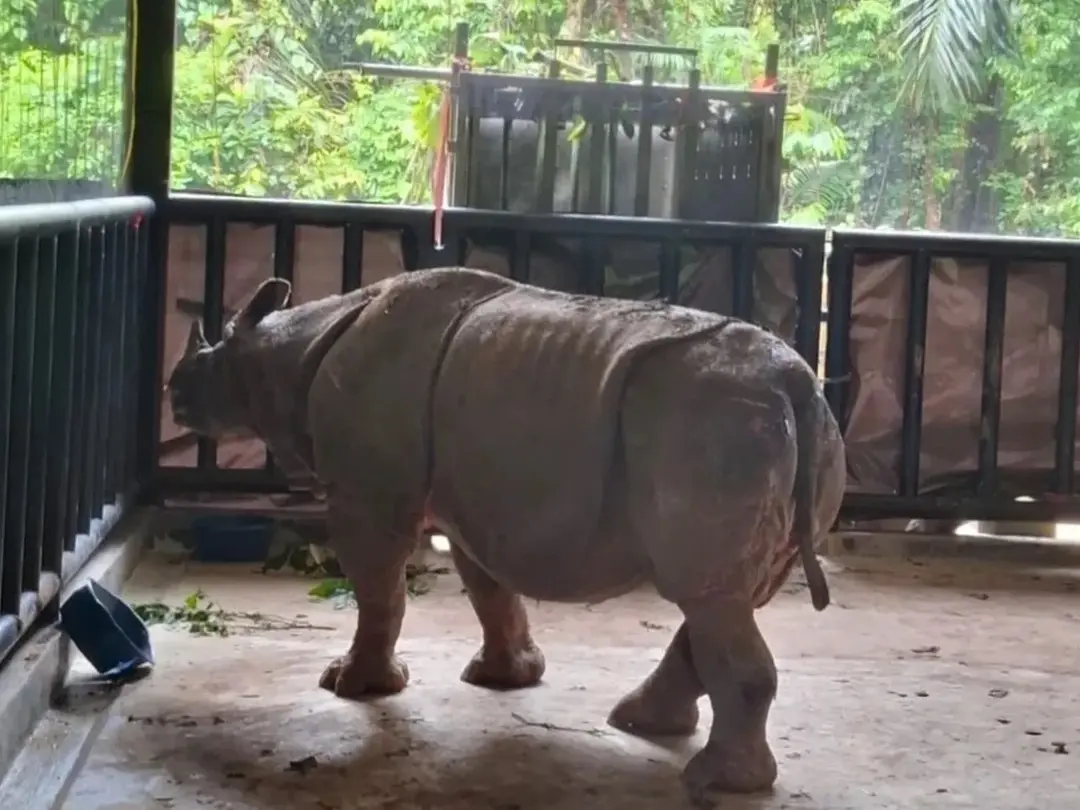
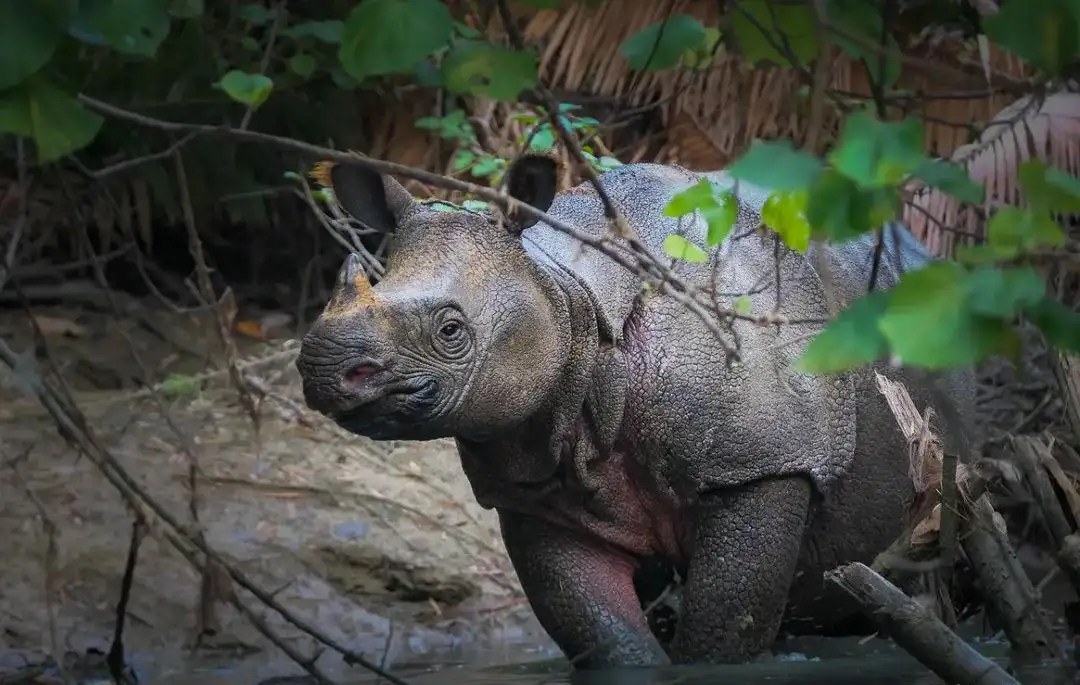
The **Javan rhinoceros** is the species most closely associated with Ujung Kulon National Park. Historically, the species ranged across parts of South and Southeast Asia, but its distribution has declined dramatically. Today, Ujung Kulon is the only known natural habitat of the species. UNESCO describes the park as the last and most important natural habitat of the Javan rhinoceros and identifies the population as critically small. The species is classified as Critically Endangered on the IUCN Red List.
The concentration of the entire known wild population in one landscape creates an extraordinary conservation challenge. A localized disease outbreak, major natural disaster, habitat deterioration, poaching, or other significant disturbance could have consequences for the species as a whole. Consequently, protecting the Javan rhinoceros means protecting its entire ecosystem. Conservation cannot focus exclusively on individual animals. It must also maintain suitable forest habitat, food plants, water sources, wallowing areas, breeding conditions, and safe spaces in which rhinoceroses can live with minimal human disturbance.
Recent Javan Rhinoceros Discoveries Provide Important Conservation Data
Modern conservation in Ujung Kulon increasingly relies on scientific monitoring rather than direct observation. Because Javan rhinoceroses are elusive and inhabit dense forest, camera traps have become an important tool for documenting individuals, behavior, reproduction, and population trends.
In May 2025, the Ujung Kulon National Park authority announced the identification of three previously unrecorded Javan rhinoceros individuals. The discoveries included a female calf recorded together with its mother, a young male, and evidence of another young rhinoceros based on tracks.
The park authority linked these findings to intensified monitoring and the implementation of a Fully Protected Area System in the Ujung Kulon Peninsula. The monitoring system has also incorporated a more systematic camera-trap arrangement. According to the park authority, cameras were deployed in 35 clusters, with four camera traps in each cluster, allowing researchers to improve their ability to detect and identify rhinoceroses.
In January 2026, another significant observation was reported. A camera trap recorded a female Javan rhinoceros with her calf, providing the first recorded Javan rhino calf observation reported by the park authority in 2026. The authority described the observation as an important indicator for monitoring the species and its habitat. These observations do not eliminate the conservation risks facing the species, but they provide valuable information for understanding reproduction and population dynamics.
Protecting the Javan Rhino Through a Fully Protected Area
One of the most important principles of Javan rhinoceros conservation is limiting human disturbance in the animals’ most sensitive habitat. The Ujung Kulon National Park authority has implemented a Fully Protected Area System, under which the Ujung Kulon Peninsula is closed to ordinary human activities other than conservation protection and rhinoceros monitoring.
The 2025 discovery of new individuals was cited by the authority as evidence supporting the importance of this protection system. This approach has an important implication for tourism.Visitors cannot reasonably expect unrestricted access to every part of Ujung Kulon. Some areas must remain primarily wildlife sanctuaries rather than tourist destinations. This is not a limitation that diminishes the value of Ujung Kulon as a tourism destination. Instead, it represents a fundamental principle of responsible ecotourism: **the needs of wildlife must determine where, when, and how tourism takes place**.
Ecotourism in Ujung Kulon National Park
Ujung Kulon has considerable potential for nature-based tourism. The park’s combination of tropical forest, islands, beaches, mangrove ecosystems, coral reefs, and wildlife creates a diverse range of experiences. Among the better-known tourism destinations are Peucang Island, Handeuleum Island, and Panaitan Island.
Visitors can engage in activities such as trekking, wildlife observation, snorkeling, diving, canoeing, and beach exploration, depending on current park regulations and access conditions.
Peucang Island is particularly well known for its beaches and forest landscape. It provides opportunities for visitors to experience coastal and terrestrial ecosystems while exploring designated tourism areas. Handeuleum Island provides a different ecological experience.
Its mangrove environment and waterways allow visitors to explore wetland ecosystems, particularly through controlled canoeing activities. Panaitan Island combines forests, beaches, marine ecosystems, and historical features. Its landscape demonstrates how natural and cultural heritage can coexist within a protected area. The diversity of these tourism sites is important because it means visitors can experience the ecological richness of Ujung Kulon without entering the most sensitive Javan rhinoceros habitat.
Why Tourists Should Not Expect to See a Javan Rhino
For many wildlife enthusiasts, the possibility of seeing a Javan rhinoceros may appear to be the ultimate attraction of visiting Ujung Kulon. However, direct wildlife encounters should not be the primary objective of tourism in the park.
The Javan rhinoceros is extremely rare, and its conservation depends on minimizing unnecessary human disturbance. Searching for animals in sensitive habitat can conflict with conservation objectives.
A responsible visitor should therefore understand that not seeing a Javan rhinoceros is a successful conservation outcome if the animal has remained undisturbed. Instead of seeking direct encounters, visitors can learn about the species through ranger interpretation, conservation education, designated observation areas, scientific information, and the wider ecosystem.
This approach changes the meaning of wildlife tourism. The value of the experience comes not from obtaining a photograph of a rare animal but from understanding why that animal needs a protected habitat.
Tourism as a Tool for Conservation
Tourism can play an important role in supporting protected areas when it is properly managed. UNESCO has previously highlighted the importance of developing sustainable tourism and strengthening local participation around Ujung Kulon.
One objective identified by UNESCO has been to build a stronger conservation constituency by understanding and appropriately managing the tourism market. The economic benefits of responsible tourism can potentially reach local communities through guiding services, boat transportation, accommodation, food services, handicrafts, and other tourism-related activities.
When communities obtain legitimate economic benefits from a healthy protected ecosystem, conservation can become more closely connected with local development. However, tourism is not automatically sustainable. Poorly managed tourism can generate waste, disturb wildlife, increase pressure on natural resources, and create demands for infrastructure that may damage sensitive habitats.
For Ujung Kulon, therefore, the key question is not simply how to attract more visitors. The more important question is how tourism can be managed so that visitor activities remain compatible with biodiversity protection.
Environmental Education and Community Participation
Environmental education is another important component of Ujung Kulon conservation. A protected area cannot be maintained solely through fences, patrols, and regulations. Long-term conservation also requires public understanding of why ecosystems matter and why certain restrictions are necessary.
UNESCO has documented efforts in Ujung Kulon to strengthen conservation awareness and increase understanding of World Heritage status among local stakeholders. The organization has also emphasized the importance of enabling local communities to benefit from natural resources in more sustainable ways.
For visitors, environmental education can transform a trip to Ujung Kulon from a conventional holiday into a learning experience. Understanding the ecological role of mangroves, observing forest regeneration, learning how camera traps monitor rhinoceroses, and understanding the relationship between coastal and terrestrial ecosystems can help visitors appreciate the park beyond its scenery.
Combating Javan Rhino Poaching
Poaching remains one of the most serious threats to the Javan rhinoceros because of the species’ extremely small population. Indonesia has strengthened law enforcement and protection measures in response to this threat.
In February 2025, the Ujung Kulon National Park authority reported prison sentences ranging from 11 to 12 years for six individuals convicted in connection with Javan rhinoceros poaching cases.
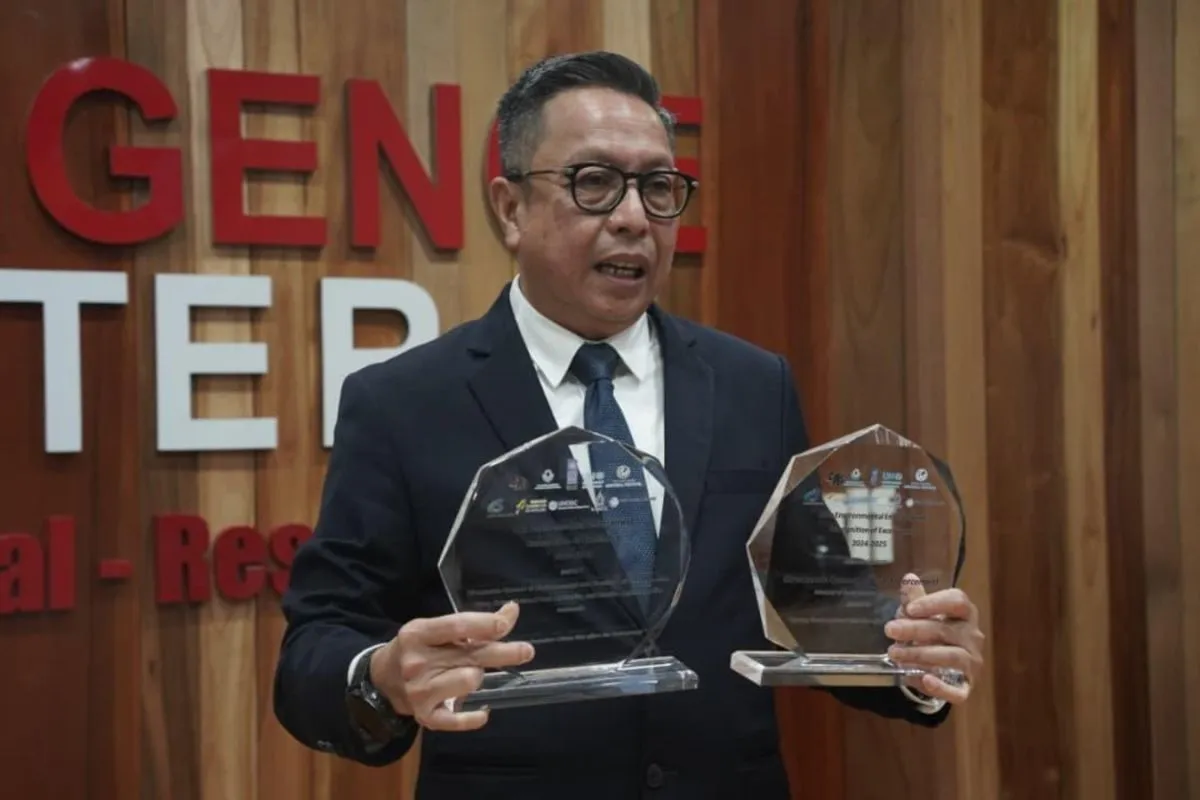
In October 2025, the park was also reported to have received the Asia Environmental Enforcement Recognition of Excellence (AEEE) 2024–2025 for its work in handling Javan rhinoceros poaching cases.
The recognition was organized by the United Nations Environment Programme and reflected the park’s environmental law-enforcement efforts. Law enforcement is particularly important because the loss of even a small number of animals can have disproportionate consequences for such a restricted population.
Javan Rhino Conservation and the Javan Rhino Study and Conservation Area
Another major development in recent conservation efforts is the Javan Rhino Study and Conservation Area (JRSCA) within Ujung Kulon National Park. The Indonesian Ministry of Forestry has described JRSCA as a specially managed conservation area designed to support research, protection, monitoring, and efforts to strengthen the long-term viability of the Javan rhinoceros population.
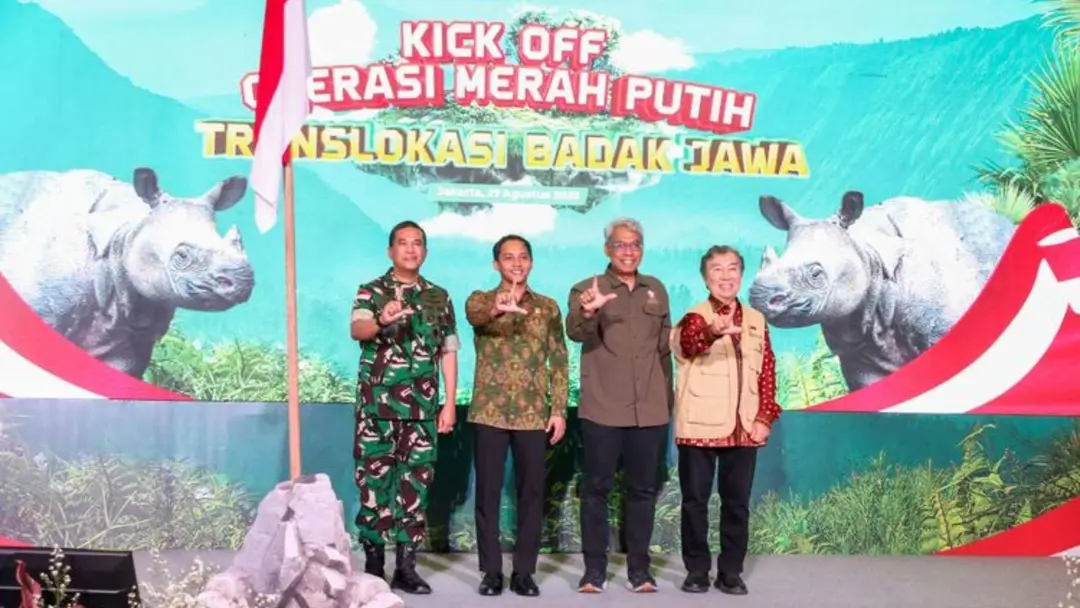
In 2025, the government began a program to relocate selected rhinoceroses from the peninsula to JRSCA. The park authority emphasized that JRSCA is still located within Ujung Kulon National Park and constitutes natural Javan rhinoceros habitat rather than an artificial zoo environment.
The first such translocation took place in November 2025, when a Javan rhinoceros named Musofa was moved to JRSCA. The operation represented an important new phase in Indonesia’s conservation strategy, although the subsequent death of Musofa from a chronic pre-existing condition demonstrated the biological and veterinary challenges associated with managing such a critically endangered species.
The experience illustrates an important point: conservation interventions involving extremely rare species carry substantial uncertainty and require continuous scientific evaluation.
Ujung Kulon as a Model for Responsible Ecotourism
The future of tourism in Ujung Kulon depends on maintaining a careful balance between accessibility and protection. Responsible ecotourism should follow several fundamental principles:
- Protect sensitive wildlife habitats from unnecessary visitor access.
- Keep tourism activities within designated areas and approved routes.
- Minimize waste and pollution.
- Avoid feeding, touching, or deliberately disturbing wildlife.
- Use local guides and services where appropriate.
- Respect temporary closures and conservation restrictions.
- Treat wildlife observation as an educational experience rather than an entitlement.
Support conservation-oriented local economies.** These principles are especially important in Ujung Kulon because the park is not simply a scenic destination. It is one of the last places on Earth where the Javan rhinoceros survives naturally.
The Future of Ujung Kulon National Park
The future of Ujung Kulon will depend on continued investment in habitat protection, wildlife monitoring, scientific research, law enforcement, community engagement, and responsible tourism. The park faces a unique conservation dilemma. Protecting the existing population requires maintaining the natural ecosystem, while ensuring the species is not exposed to excessive risks associated with having its entire known population concentrated in one landscape.
Recent conservation initiatives—including systematic camera trapping, the Fully Protected Area System, the development of JRSCA, and carefully managed translocation—demonstrate the increasing use of science and technology in addressing these challenges. At the same time, the ecological integrity of the wider park remains fundamental. The Javan rhinoceros cannot be separated from the forest, wetlands, plants, water, and other organisms that constitute its habitat.
Conclusion: Protecting a Landscape, Protecting a Species
Ujung Kulon National Park is much more than a tourist destination. It is a globally important conservation landscape and a vital refuge for one of the world’s rarest large mammals. Its forests, beaches, islands, mangroves, coral reefs, and wildlife provide exceptional opportunities for responsible nature tourism. Yet the park’s greatest international significance comes from its role in protecting the Javan rhinoceros.
The future of the species depends on maintaining a delicate balance between conservation, scientific research, law enforcement, community participation, and carefully controlled tourism. For visitors, this means approaching Ujung Kulon with a different understanding of ecotourism. The objective is not simply to enter a beautiful landscape or obtain a photograph of a rare animal. It is to experience an ecosystem while helping ensure that the ecosystem remains healthy.
The Javan rhinoceros may be difficult—or impossible—for most visitors to see. But its continued existence in Ujung Kulon is itself the most important measure of the park’s conservation value. Protecting Ujung Kulon therefore means protecting much more than one endangered species. It means safeguarding one of Java’s most important remaining natural landscapes and preserving an irreplaceable part of Indonesia’s natural heritage for generations to come.
Frequently Asked Questions
Where is Ujung Kulon National Park located?
Ujung Kulon National Park is located at the westernmost tip of Java Island, Indonesia, in Banten Province. It covers a large peninsula, nearby islands, and surrounding marine areas.
Why is Ujung Kulon National Park famous?
The park is world-renowned as the last natural habitat of the critically endangered Javan rhinoceros. It is also recognized as a UNESCO World Heritage Site for its outstanding biodiversity and pristine ecosystems.
What types of wildlife can be found there?
Besides the Javan rhino, the park is home to banteng (wild cattle), Javan leopards, deer, wild boar, crocodiles, and over 240 species of birds. Its marine areas host coral reefs, fish, and sea turtles.
What activities can visitors do in the park?
Visitors can enjoy trekking, wildlife observation, birdwatching, snorkeling, diving, canoeing, and nature photography. Educational tours about conservation are also available.
When is the best time to visit Ujung Kulon National Park?
The best time to visit is during the dry season, from April to October, when weather conditions are more suitable for trekking and marine activities.
Do visitors need special permits to enter the park?
Yes. Visitors must obtain an entrance permit from the national park authority. Some zones are restricted to protect wildlife, especially rhino habitats.
Is Ujung Kulon National Park suitable for families?
Yes, but visitors should be prepared for basic facilities and limited infrastructure. Guided tours are recommended, especially for families and first-time visitors.
How does the park support conservation?
Ujung Kulon National Park plays a crucial role in protecting endangered species, preserving tropical rainforests, and promoting sustainable eco-tourism in Indonesia.