Javan Rhino Musofa, the First Translocated Javan Rhino, Succumbs to Untreatable Congenital Chronic Illness
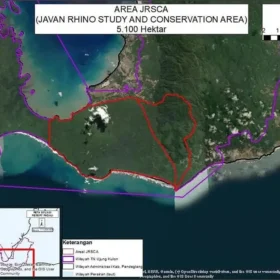
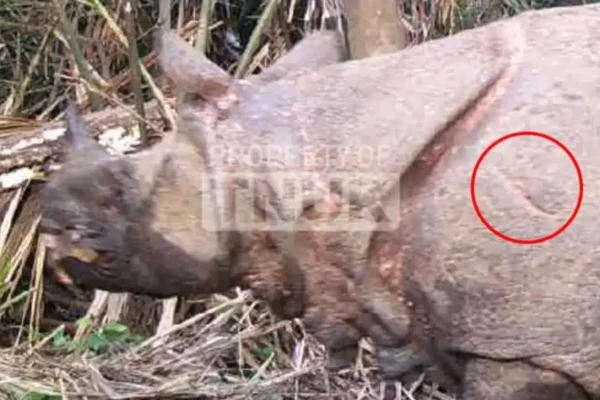
The national effort to strengthen the conservation of the critically endangered Javan rhinoceros has faced a significant challenge. Musofa, a Javan rhinoceros (Rhinoceros sondaicus) undergoing intensive treatment at the Javan Rhino Study and Conservation Area (JRSCA) in Ujung Kulon National Park (TNUK), has been confirmed unable to be saved due to a long-standing congenital chronic illness.

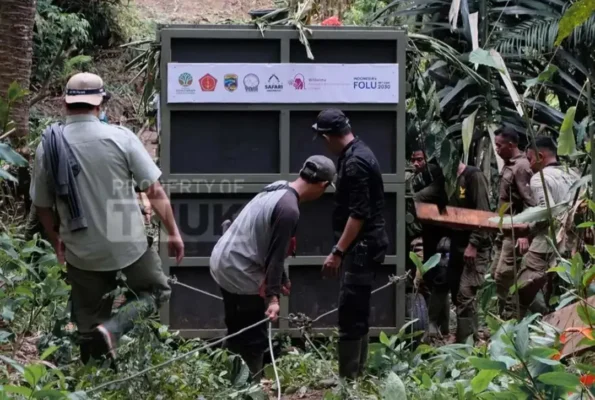
Ardi Andono, Head of Ujung Kulon National Park, emphasized that Musofa’s translocation had been undertaken with rigorous planning and international-standard protocols. The operation involved wildlife conservation experts from Indonesia and abroad, veterinarians, the Indonesian National Armed Forces (TNI), and a wide network of conservation partners.

According to Ardi, the translocation was a critical long-term conservation measure given the genetic limitations of the species. Research conducted by IPB University shows that the Javan rhino population currently consists of only two haplotypes, with haplotype 1 experiencing an inbreeding rate of 58.5% and haplotype 2 at 6.5%. Strengthening genetic diversity will require systematic breeding, including the utilization of Assisted Reproductive Technology (ART), biobanking, and potentially gene editing.

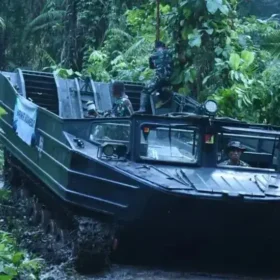
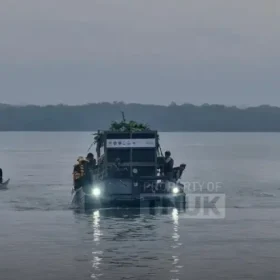
“All procedures followed international conservation standards, complete with simulations, ethical reviews, and full logistical and security preparedness. Musofa was moved without injury, but his long-standing chronic illness presented a medical challenge beyond what could be resolved,” Ardi stated.
Ardi further highlighted the importance of the operation, noting that Musofa was the first Javan rhino ever translocated—marking a milestone in Indonesia’s wildlife conservation history. The initiative forms part of a long-term strategy to ensure population sustainability, enhance genetic resilience, and manage habitat in a controlled and secure manner.
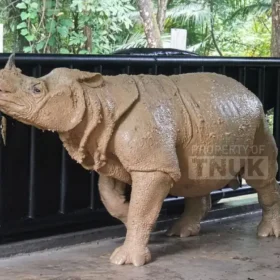

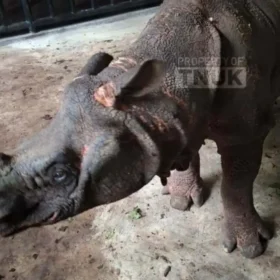
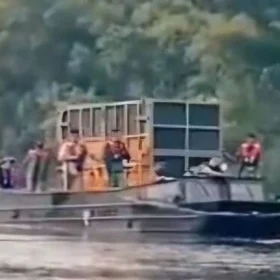
The operation timeline began on 3 November 2025, when Musofa successfully entered a pit trap. After considering extreme weather conditions and the rhino’s safety, the translocation proceeded, and Musofa arrived at JRSCA on 5 November 2025 in stable condition, showing early signs of adaptation. A veterinary team closely monitored his health from the first day.

On 7 November 2025, Musofa experienced a sudden decline in clinical condition. The medical team administered emergency treatment according to wildlife rescue protocols, but despite their efforts, Musofa was declared beyond saving later that afternoon.
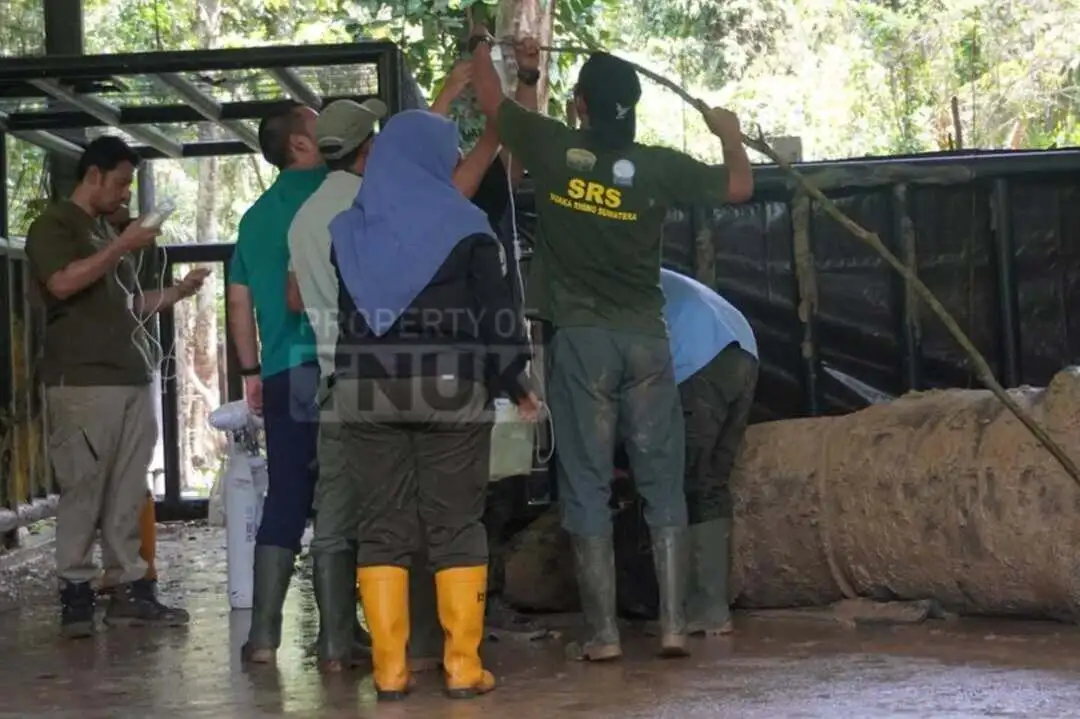
A necropsy conducted by the pathology team from the School of Veterinary Medicine and Biomedical Science (SKHB) at IPB University confirmed multiple chronic ailments affecting the stomach, intestines, and brain; a significant parasitic infection; and tissue degeneration. Old injuries consistent with territorial conflict in the wild were also present but were not the primary cause of death.
These findings serve as essential input for strengthening health management protocols for the Javan rhino in its natural habitat. TNUK, together with IPB University, academic partners, and conservation organizations, will undertake a comprehensive follow-up analysis to improve early disease detection, habitat management, and population health monitoring.
“Musofa’s passing is a great loss for all of us and the teams on the ground,” Ardi concluded. “However, this moment also underscores the complexity of conserving a species on the brink of extinction. The dedication, scientific effort, and collaboration invested in this operation will remain a strong foundation for safeguarding the Javan rhinoceros for generations to come.”